
close
Choose Your Site
Global
Social Media
Views: 0 Author: Site Editor Publish Time: 2026-11-18 Origin: Site


Formulating a high-performance, eco-friendly finish represents a significant technical achievement. Yet, watching that meticulously crafted formulation suffer from unsightly discoloration over a few short months is incredibly frustrating for any chemist or engineer. Global manufacturing is rapidly shifting toward sustainable chemistry. Recent industry analyses reveal a massive market pivot toward sustainable architectural and automotive coatings. This shift is heavily driven by stringent environmental regulations and aggressive corporate net-zero emission targets. Market intelligence indicates that while demand for renewable resins is at an all-time high, commercial adoption often stalls during long-term weathering tests.
Consequently, the reliance on Bio-Based Polyol formulations has surged dramatically. Green materials offer excellent mechanical properties and a vastly reduced carbon footprint. However, their unpredictable visual degradation causes severe commercial hesitation. Overcoming this aesthetic hurdle is now recognized as a critical milestone for the widespread commercialization of eco-friendly finishes.
At a fundamental level, visual degradation acts as a physical manifestation of chemical breakdown within the polymer matrix. This comprehensive guide dissects the exact chemical and environmental triggers driving this breakdown. From the destructive impact of ultraviolet radiation to the inherent risks of certain hardener chemistries, we will explore the underlying mechanisms of discoloration. Furthermore, this article provides actionable formulation strategies. These practical insights will help engineers achieve long-lasting optical clarity in their sustainable systems.
Key Takeaways
Discoloration is primarily driven by photo-oxidation, a process where ultraviolet energy breaks down polymer chains and forms colored molecular compounds known as chromophores.
The chemical structure of co-reactants, such as specific isocyanate hardeners, serves as a leading cause of degradation. Transitioning to aliphatic systems drastically improves overall clarity.
In renewable plant-based systems, residual organic impurities or unsaturated fatty acids easily oxidize, contributing to early aesthetic failure.
Formulators can actively prevent degradation by utilizing high-purity raw materials, incorporating UV absorbers, and deploying hindered amine light stabilizers.
To truly understand discoloration, one must examine polymer chemistry at a molecular level. When the chemical bonds within a crosslinked network break down due to external environmental stressors, they undergo structural rearrangements. This degradation frequently results in the creation of conjugated double bonds, scientifically referred to as chromophores. At its core, coating yellowing serves as a visible distress signal indicating matrix failure.
Chromophores possess a specific electronic structure that alters how light interacts with the coated surface. Specifically, they absorb light in the blue and ultraviolet spectrums while reflecting light in the yellow spectrum. The higher the concentration of these degraded molecular structures within the film, the more pronounced the amber tint becomes to the human eye. This chemical shift is generally irreversible. Once the chromophores form, the optical clarity of the finish is permanently compromised.
Coatings derived from natural oils differ fundamentally from traditional petroleum-based alternatives. Common feedstocks include soy, castor, and palm oils. While the core polyurethane or epoxy curing chemistry remains largely similar, the natural origin of the feedstock introduces unique variables. Petroleum-based polymers are synthesized from highly controlled, predictable monomers.
In contrast, natural oils contain complex triglyceride structures and varying degrees of biological variances. If these natural oils are not meticulously processed, they retain molecular structures highly susceptible to oxidative stress. Consequently, formulating with these green materials requires a deep understanding of their chemical behavior. Achieving flawless optical clarity demands precise refining and targeted formulation adjustments. This ensures the natural origin of the resin never becomes a catalyst for premature discoloration.
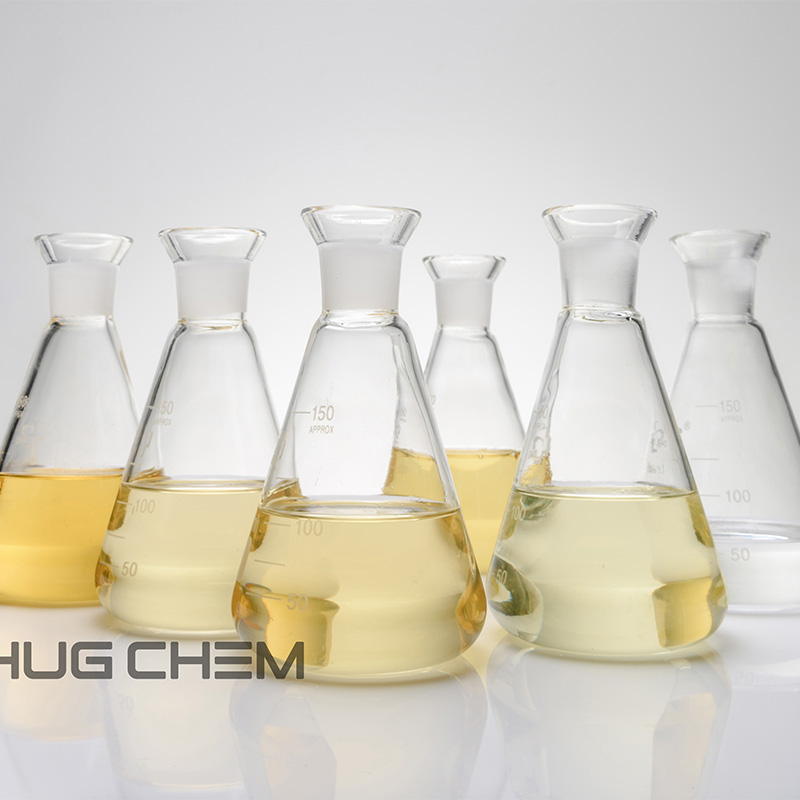
Photo-oxidation is widely recognized by polymer chemists as the primary catalyst for degradation. Natural sunlight and artificial lighting emit ultraviolet radiation, acting as a relentless catalyst for polymer breakdown. When a cured film is subjected to this energy, UV exposure delivers high-energy photons directly into the matrix.
The ultraviolet energy excites the molecules within the polymer network to a high-energy state. This excitation leads to the cleavage of covalent bonds, resulting in the formation of highly reactive free radicals. These free radicals rapidly react with atmospheric oxygen. This initiates an aggressive chain reaction of oxidative degradation. As this photo-oxidative cycle progresses, the polymer backbone deteriorates, leading directly to the formation of light-absorbing chromophores and a subsequent loss of optical clarity.
It remains a common misconception that UV-induced discoloration is exclusively an exterior issue. While direct sunlight accelerates the process significantly, indoor environments present their own insidious risks. Imagine a high-end commercial office featuring seamless white resin flooring. Even without direct sunlight, the continuous barrage of fluorescent lighting and halogen bulbs emits enough radiation to trigger slow, progressive degradation.
Over months or years, indirect sunlight filtering through commercial windows also accumulates. This interior radiation leads to a noticeable amber tint in originally clear or white finishes. Therefore, formulators must meticulously account for cumulative indoor radiation when designing clear coats or light-colored architectural finishes for interior use.
In polyurethane chemistry, renewable resins are typically reacted with isocyanate hardeners to form the final crosslinked network. The chemical structure of these isocyanates dictates the environmental resistance of the finish. Hardeners with high aromatic content, such as Methylene Diphenyl Diisocyanate or Toluene Diisocyanate, contain benzene rings within their molecular architecture.
These aromatic rings are highly unstable under irradiation. They easily undergo a photo-Fries rearrangement, transforming into quinone-imide structures. Quinones are intensely colored chromophores. Consequently, formulations relying on aromatic isocyanates are highly susceptible to rapid and severe discoloration. They often show visible degradation within weeks of exposure, making them entirely unsuitable for premium topcoats.
To combat the vulnerabilities of aromatic rings, formulators seeking pristine clarity must turn to aliphatic hardeners like Hexamethylene Diisocyanate or Isophorone Diisocyanate. Aliphatic structures consist of straight or branched hydrocarbon chains without unstable benzene rings.
Because they lack this specific conjugated ring structure, aliphatic isocyanates simply do not form quinone-based chromophores when exposed to light. This fundamental chemical difference makes aliphatic systems absolutely essential for premium topcoats, architectural finishes, and any application demanding long-term gloss retention.
Feature | Aromatic Systems like MDI and TDI | Aliphatic Systems like HDI and IPDI |
|---|---|---|
Chemical Structure | Contains unstable benzene rings | Straight or branched hydrocarbon chains |
UV Resistance | Poor due to high susceptibility to degradation | Excellent and highly stable |
Chromophore Formation | Rapidly forms dark quinone structures | Minimal to None |
Primary Application | Primers, basecoats, and indoor hidden layers | Clear topcoats and demanding exterior finishes |
Cost Implication | Generally lower upfront material cost | Higher initial cost offset by superior longevity |
Plant-derived resins inherently contain structures not found in synthetic petrochemicals. The foundational feedstocks are composed of triglycerides containing various fatty acids. Unrefined or poorly processed natural oils often retain a high percentage of unsaturated fatty acids, like linoleic and linolenic acids. These contain reactive carbon-carbon double bonds.
These sites of unsaturation are thermodynamically unstable and highly prone to auto-oxidation, even at standard room temperature. When exposed to oxygen over time, these double bonds break down. They form hydroperoxides that eventually decompose into aldehydes and ketones. This chemical reaction manifests as a progressive yellow tint. Managing this unsaturation remains critical for maintaining visual clarity in any green formulation.
The raw material refinement process separates premium bio-materials from lower-tier agricultural alternatives. Crude plant oils contain not only unsaturated fats but also residual proteins, phospholipids, volatile organic compounds, and natural color bodies like carotenes. If left untreated, these biological impurities act as direct precursors to degradation.
Top-tier chemical manufacturers employ advanced distillation and chemical modification techniques. Processes such as bleaching, deodorization, and ozonolysis are utilized to stabilize these materials. By drastically reducing the iodine value and eliminating biological impurities, high-purity refining ensures the resin provides a stable, optically clear foundation for the final matrix.
Beyond light and oxygen, heat acts as a formidable enemy of polymer clarity. Thermal degradation occurs when coatings are exposed to excessive thermal energy. For instance, pushing an industrial curing oven just a few degrees past the resin's thermal threshold causes the organic components to scorch. This thermal oxidation breaks covalent bonds and generates chromophores in the complete absence of light.
Similarly, finishes applied in high-heat operational environments experience a gradual thermal breakdown. Common risk areas include industrial machinery, HVAC systems, or automotive engine bays. Formulators must carefully calibrate curing temperatures and select thermally stable catalysts to prevent this heat-induced failure.
Discoloration can also occur in pitch darkness. This complex phenomenon is known as gas fading. It is typically triggered by environmental chemical stressors rather than light. A primary culprit is nitrogen oxides, which are routinely emitted by gas heaters, propane forklifts in warehouses, and vehicle exhaust.
When nitrogen oxide gases interact with certain phenolic antioxidants within the formulation, they form highly colored stilbenequinone complexes. In addition, exposure to ammonia fumes from commercial cleaning agents can react with the polymer surface. This causes a distinct, localized discoloration that is notoriously difficult to reverse.
Achieving exceptional longevity requires a highly proactive approach to formulation chemistry. To protect the polymer matrix, engineers must incorporate specialized additive packages. UV absorbers function much like a microscopic chemical sunscreen. They absorb harmful radiation before it can penetrate the film layer and safely dissipate the energy as low-level heat.
However, absorbers alone cannot block all incoming light. This is where hindered amine light stabilizers become vital. These stabilizers do not absorb light. Instead, they act as aggressive radical scavengers. When radiation inevitably creates free radicals, the stabilizers trap and neutralize them before they can initiate the oxidative chain reaction. Together, this synergistic combination drastically extends the visual integrity of the finish.
The stoichiometric balance of a formulation plays a critical role in its environmental resistance. The exact ratio between the hydroxyl groups and the isocyanate groups must be precisely calculated. An improper index leaves unreacted functional groups trapped within the cured film, creating severe chemical vulnerabilities.
Specifically, under-indexing leaves excess unreacted polyol. This unreacted material can absorb moisture, leading to plasticization and premature degradation. Conversely, over-indexing leaves excess isocyanate. This excess can react with ambient humidity to form unstable urea linkages, which are highly prone to discoloration. Precise stoichiometric optimization ensures a tightly crosslinked, resilient network capable of resisting oxidative stress.
The foundation of a pristine finish begins long before the mixing stage. Procurement teams and formulation chemists should prioritize suppliers offering chemically modified, high-purity products engineered specifically for optical clarity. Utilizing standard agricultural-grade oils inevitably leads to field performance failures.
When evaluating a supplier, scrutinize their technical data sheets. A high-performance resin engineered for clear coatings should feature a hydroxyl value tailored for optimal crosslinking density, typically ranging from 150 to 400 mg KOH/g depending on the desired flexibility. Furthermore, demand a strict, low color index. A Gardner scale rating of less than 2 or an APHA value below 50 is non-negotiable for premium clear coats. High functionality combined with ultra-low moisture content ensures a pristine, predictable reaction.
Investing in premium, high-stability raw materials yields significant long-term financial benefits. Highly refined green resins and aliphatic hardeners certainly carry a higher initial material cost. However, they drastically reduce the incidence of costly callbacks, rework, and warranty claims associated with premature degradation.
By prioritizing color stability from the ground up, manufacturers can confidently deliver sustainable products that rival the optical clarity of traditional petrochemicals. The right formulation strategy ensures the transition to green chemistry enhances product value while meeting growing consumer demands.
Visual degradation remains a multifaceted issue driven by photo-oxidation, hardener chemistry, heat, and raw material impurities. Transitioning to sustainable materials does not mean sacrificing aesthetics. By pairing a high-purity renewable resin with aliphatic hardeners and proper stabilizers, formulators achieve exceptional longevity. Ready to upgrade your sustainable formulations? Explore the high-purity, chemically stabilized product lines available at Hugchem to find the exact bio-based polyol engineered for your specific coating requirements.
No, the chemical changes causing this degradation are permanent. Once the polymer chains break down and chromophores form, the physical structure of the finish is irreversibly altered. The only effective engineering solution is to mechanically remove the degraded top layer through sanding or stripping, and subsequently reapply a UV-stable, aliphatic topcoat.
Absolutely not. While crude, unrefined natural oils are highly susceptible to oxidation, modern chemical engineering has solved this issue. Highly refined and chemically modified resins are engineered specifically to resist oxidative degradation. By removing biological impurities and stabilizing double bonds, these advanced materials maintain pristine clarity over time.
The timeline depends entirely on the formulation chemistry and environmental exposure. An aromatic polyurethane placed outdoors in direct sunlight exhibits severe discoloration in a matter of weeks. In contrast, a properly formulated aliphatic system equipped with high-quality absorbers remains crystal clear for many years under the exact same conditions.
White coatings do not necessarily degrade faster, but the visual contrast makes the degradation much more obvious. The titanium dioxide pigments used in white finishes reflect light brilliantly, making even the slightest formation of amber-colored chromophores instantly noticeable to the naked eye. This makes formulating white finishes exceptionally unforgiving.
Engineers utilize accelerated weathering chambers, such as QUV or Xenon arc testers. These machines bombard the cured film panels with intense ultraviolet light, high temperatures, and moisture cycles. This simulates years of harsh environmental exposure in just a few hundred hours, allowing formulators to accurately measure the color shift using a spectrophotometer.
Yes, provided the clear topcoat contains potent absorber packages. A well-formulated clear coat acts as a protective shield, absorbing harmful radiation before it reaches the underlying layers. However, it is imperative that the clear topcoat itself is formulated with aliphatic, non-degrading ingredients to maintain its own optical clarity.
Thermal degradation is caused by excessive heat energy breaking down the polymer chains. This often occurs during high-temperature curing processes or in high-heat operating environments. In contrast, UV degradation is a photo-oxidative process triggered specifically by light exposure, where ultraviolet radiation creates free radicals that oxidize the polymer matrix.
